Planning Your Visit to the Hatta Mountains: A Practical Guide
Understanding the Hatta Mountain Landscape
Hatta, a rugged enclave of the Hajar Mountains, offers a landscape of sharp ridges, deep wadis, and ancient rock formations. Unlike the coastal or desert terrain common in the region, Hatta's mountains rise dramatically from the valley floor, creating a microclimate that supports seasonal greenery and clear, flowing water in the wadis after rain. Before you set out, it helps to know what you are looking at. The mountains here are part of a sedimentary range formed millions of years ago, and you will see visible folds and faults in the rock layers along the main roads and hiking trails.
For a first-time visitor, the sheer scale can be overwhelming. The key is to pick a focal point for your visit. Some people come for the hiking trails that wind through the Hajar foothills, others for the reservoir and kayaking on the Hatta Dam, and many for the cultural heritage sites like the Hatta Heritage Village. Each focus changes how you approach the area and what you need to bring. If your interest is purely the mountain scenery, you will want to plan a route that takes you to the higher viewpoints rather than staying in the valley.
Step 1: Choose Your Season and Time of Day
The Hatta mountains experience noticeable seasonal shifts, though they remain dry for most of the year. The best time to go is between October and April, when daytime temperatures stay comfortable for outdoor activity. During the summer months, the heat can make hiking and exploring unsafe, especially in direct sun on exposed ridgelines. If you must visit in summer, plan to arrive at dawn and finish your activity by mid-morning.
Another factor is the light. The mountains look their most dramatic in the early morning or late afternoon, when the low sun casts long shadows and brings out the red and ochre tones in the rock. Midday light flattens the landscape and makes photography less rewarding. If you are hiking, an early start also means cooler conditions and fewer people on the trails.
Step 2: Decide on Your Main Activity
The Hatta mountains are not a single attraction but a collection of experiences spread across the valley. You need to decide what you want to do most, because you cannot do everything well in a single day. Here are the main options:
- Hiking and trekking: There are marked trails of varying difficulty, from short walks along the wadi floor to longer ascents that require good fitness and proper footwear. The terrain is rocky and uneven, so trail runners or hiking boots are a must.
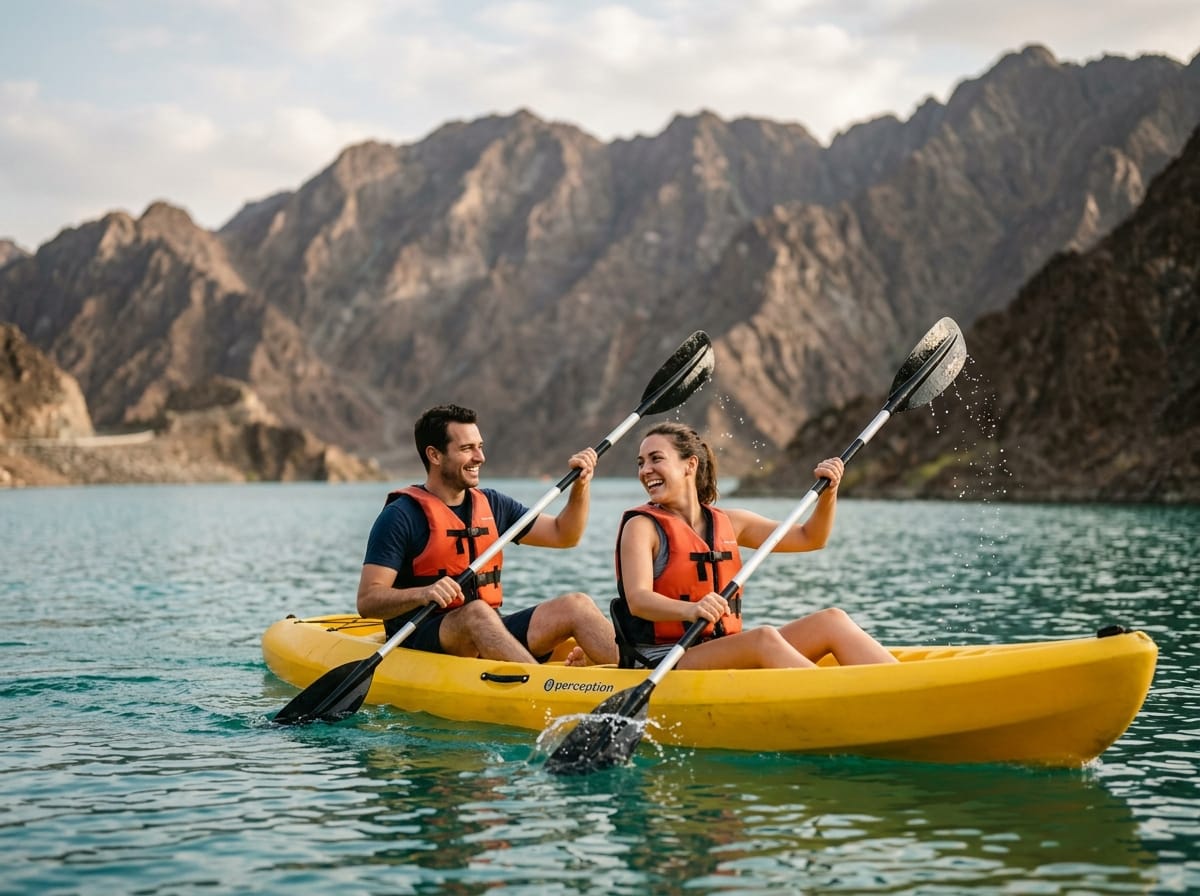
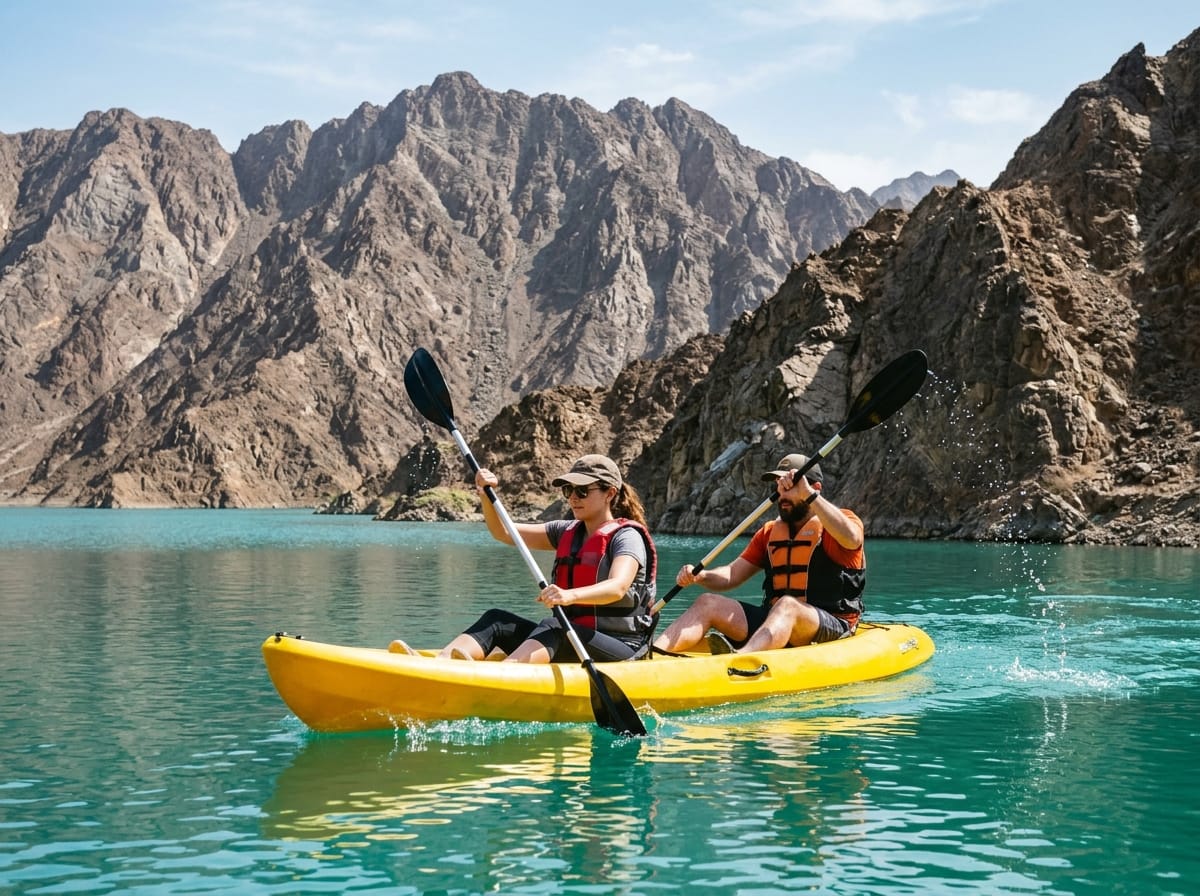
- Kayaking and water sports: The Hatta Dam sits in the middle of the mountains, offering a calm reservoir for paddling. This is a completely different perspective on the landscape, but it requires separate equipment or a rental booking.
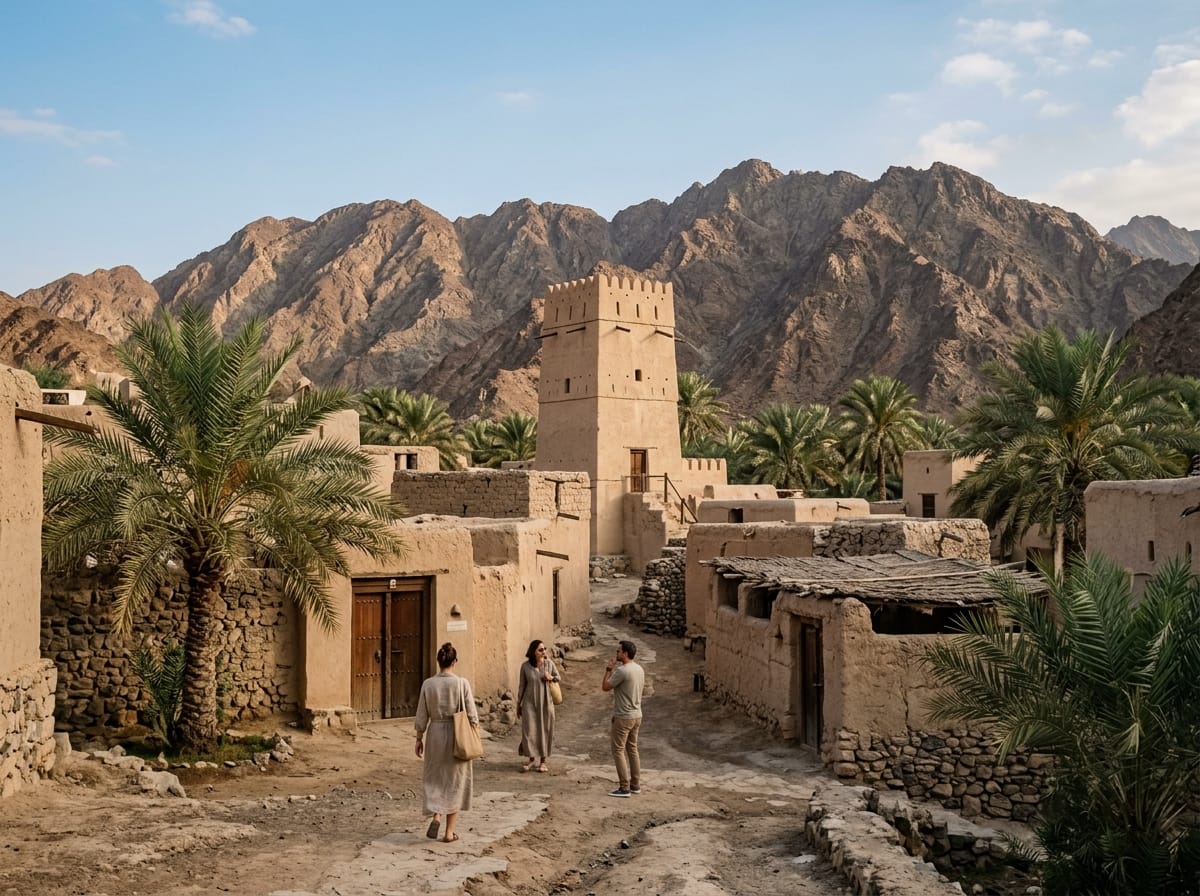
- Cultural and historic sites: The Hatta Heritage Village, old stone houses, and the ancient falaj irrigation system give you a sense of how people lived in this harsh terrain. These sites are mostly in the valley and require minimal walking.
- Scenic driving and photography: Some visitors prefer to stay in their vehicle and stop at designated viewpoints. The main road through the mountains offers several pull-offs with panoramic vistas.
For those who want a curated experience that covers multiple highlights, a tour operator can be helpful. For example, a service like Hatta Mountain Tour Dubai can arrange transport and guide you to the key spots, saving you planning time and ensuring you do not miss the less obvious viewpoints.
Step 3: Prepare Your Gear and Supplies
Once you know your main activity, pack accordingly. The mountains can be deceptively harsh. Even on a mild day, the sun is strong, and there is little shade on the trails. Bring sun protection: a hat, sunglasses, and sunscreen. Carry at least two liters of water per person, more if you plan to hike for several hours. Snacks are useful, but do not rely on finding food shops once you are inside the mountain area.
For footwear, closed-toe shoes with good grip are essential. The trails are loose gravel and rock, and a twisted ankle is the most common injury among visitors. If you plan to hike off the main paths, consider bringing trekking poles for stability. A small first-aid kit with blister treatment and antiseptic wipes is a practical addition.
If you are visiting the dam for kayaking, bring a change of clothes and a towel. The water is cool, and you will get splashed. A waterproof pouch for your phone and wallet is also wise. For cultural site visits, comfortable walking shoes and a light long-sleeved shirt will protect you from the sun while staying respectful in heritage areas.
Step 4: Navigate the Roads and Entry Points
The Hatta mountains are accessed via a single main road from the Dubai-Hatta road. Once you enter the Hatta area, the roads narrow and wind through the valleys. There is no main gate or entry fee for the mountain area itself, though certain attractions like the heritage village and the dam may have parking fees or entry charges. Check current regulations online before you go, as they can change with the season.
GPS and mobile reception can be patchy in the deeper wadis. Download offline maps of the area on your phone before you lose signal. If you are driving, ensure your vehicle is in good condition; the roads are paved but steep in places, and a breakdown can leave you stranded for hours. A four-wheel-drive vehicle is not necessary for the main roads, but it gives you more confidence on the unpaved tracks that lead to some trailheads.
Step 5: Follow Trail Etiquette and Safety
When hiking, stay on marked trails. The terrain is fragile, and cutting switchbacks causes erosion that damages the ecosystem. More importantly, the mountain terrain is full of hidden gullies and loose edges. A wrong step off-trail can lead to a fall. If you encounter a steep section, take your time and use your hands for balance.
Wildlife in the Hatta mountains includes foxes, lizards, and occasional mountain goats. Do not feed or approach them. The wadis may contain water after rain, but it is not safe to drink untreated. Carry all your rubbish out with you; there are few bins in the backcountry and the environment is sensitive to litter.
If you are hiking alone, let someone know your route and expected return time. Phone reception is unreliable in the valleys, so consider carrying a personal locator beacon or a satellite messenger if you plan to go deep into the backcountry. For a well-organized day trip, a guided option such as Hatta Mountain Tour Dubai can handle these logistics, allowing you to focus on the scenery.
Step 6: Respect Local Customs and Regulations
The Hatta area is part of a traditional community. Dress modestly when you are outside the immediate tourist zones, especially near the heritage village and residential areas. Alcohol is not permitted in public spaces. Photography of local people requires their permission; it is polite to ask before taking pictures of anyone, especially in cultural settings.
Camping is allowed in designated areas only. Open fires are prohibited in most places due to fire risk. If you plan to stay overnight, bring a camping stove and use it responsibly. Check with the local municipality for any current restrictions on camping or drone use, as rules can change seasonally.
Step 7: Make the Most of Your Time
With limited time, prioritize one or two activities rather than trying to see everything. A common mistake is to arrive late and then rush between the dam, the heritage village, and a hike, ending up exhausted and missing the best views. Instead, pick one focus and do it well. If you choose hiking, spend the morning on the trail and then relax at the dam in the afternoon. If you are there for the culture, give yourself time to wander the village and talk to the guides at the site.
Sunset from any high point in the Hatta mountains is spectacular. Plan to be at a viewpoint or on the water as the sun drops behind the peaks. The colors shift from gold to deep red, and the temperature drops quickly, so have a jacket ready. That evening calm is the reward for a well-planned day.
Finally, be flexible. The weather in the mountains can change faster than forecasts predict. A sudden cloudbank or gust of wind can turn a pleasant hike into a chilly ordeal. If conditions turn unfavorable, adjust your plans rather than pushing through. The mountains will be there another day.